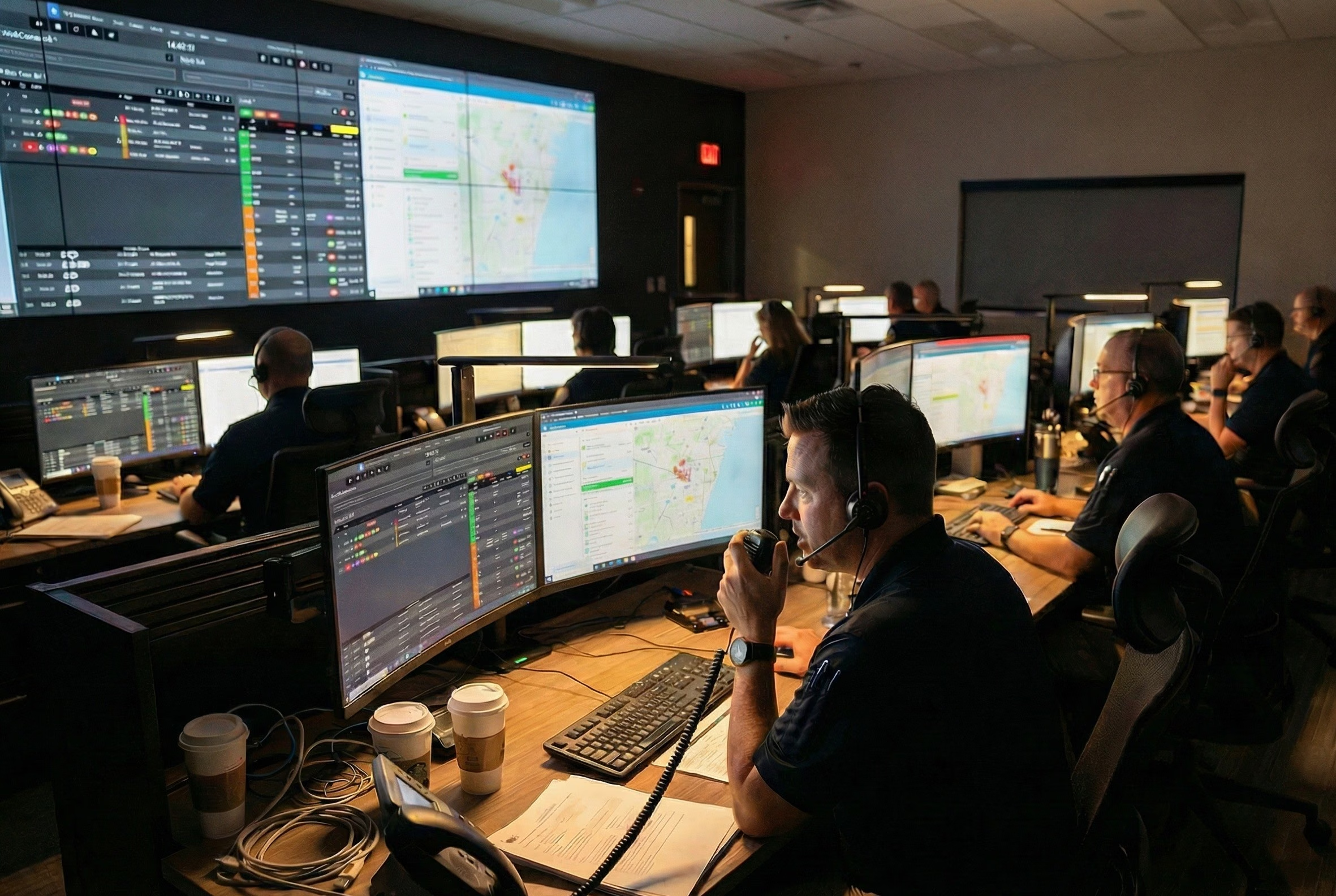
When something serious happens in a community, most people only see the response. The patrol cars, fire engines, and the ambulances. From their perspective, this is when the work starts.
In reality, the work started the second the call for help was received.
From that first second, someone in a dispatch center is trying to make sense of incomplete information. What exactly is happening? Is this police only, or are fire and EMS needed too? How many units should go? Does another agency need to be notified? Those decisions aren’t abstract. They shape what unfolds over the next few minutes.
And in public safety, a few minutes can change everything.
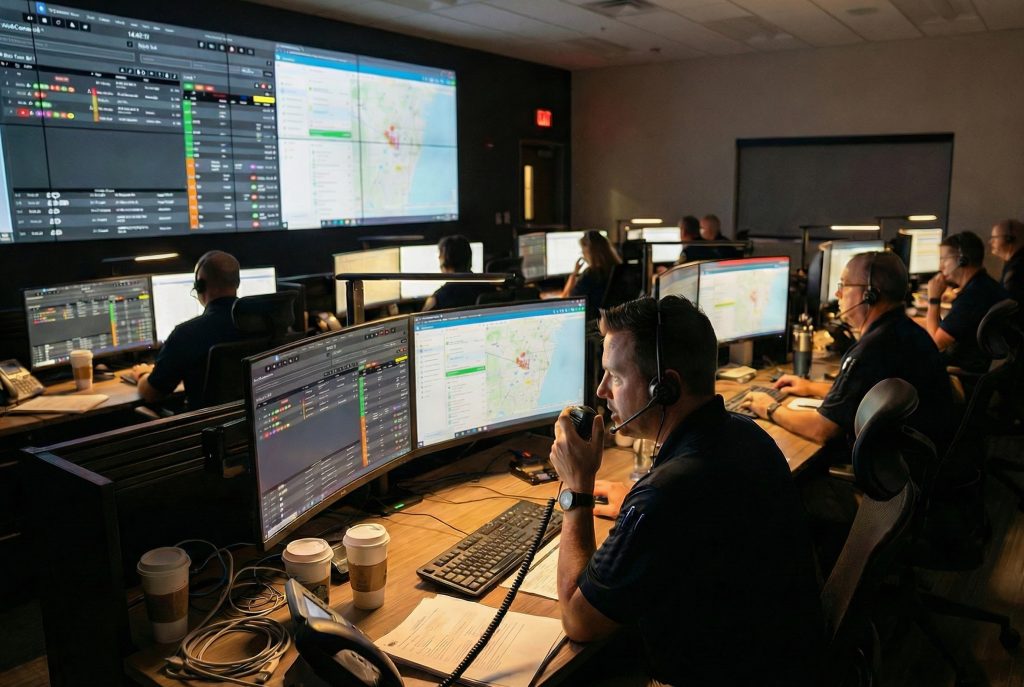
Take a structure fire. While the call taker is asking whether anyone is inside, what kind of building it is, or whether there are hazards nearby, the fire itself is growing. Fire can double in size in less than a minute. So if there’s any delay in getting that information visible to the right people, even something that feels small, it can change the scale of the response by the time crews arrive.
The same dynamic plays out in other calls. A domestic situation that starts as verbal can escalate. A cardiac arrest has a narrow window for meaningful intervention. A rollover crash with entrapment requires multiple agencies to coordinate almost immediately. None of those situations slow down while information is being relayed.
What the public rarely sees is how much coordination depends on information moving cleanly and in real time. Supervisors cannot see everything happening in the field. Responders don’t hear the entire call. Dispatch is building the picture in real time and pushing that picture out at the same time.
When everyone is tied to the same live incident, updates are visible as they’re entered. There’s no waiting for someone to manually pass details along. Fire and EMS can begin preparing while the call taker is still gathering information. Law enforcement can start thinking about scene control while other agencies are notified if the situation calls for it. Even if different teams are using different tools or operating on different radio channels, they’re looking at the same incident record.
That kind of coordination doesn’t make headlines. It’s not dramatic. But it shows up in outcomes. Response times shorten. Secondary crashes are prevented. Patients get transported faster. Supervisors can make decisions based on the same information everyone else is seeing.
Public safety will always depend on trained professionals making difficult decisions under pressure. But how effective those decisions are depends heavily on whether information is moving cleanly in those first few minutes.
What happens in those first few minutes inside the communications center often determines how the rest of the incident unfolds.